Technical AI Safety
Built foundations in failure modes, evaluations, interpretability, control, and oversight. Curriculum participation is presented as training, not original research.
Selected work · 11
Connecting technical failure modes to accountable institutions—and testing whether people can participate in them.
Explore the engineering ↓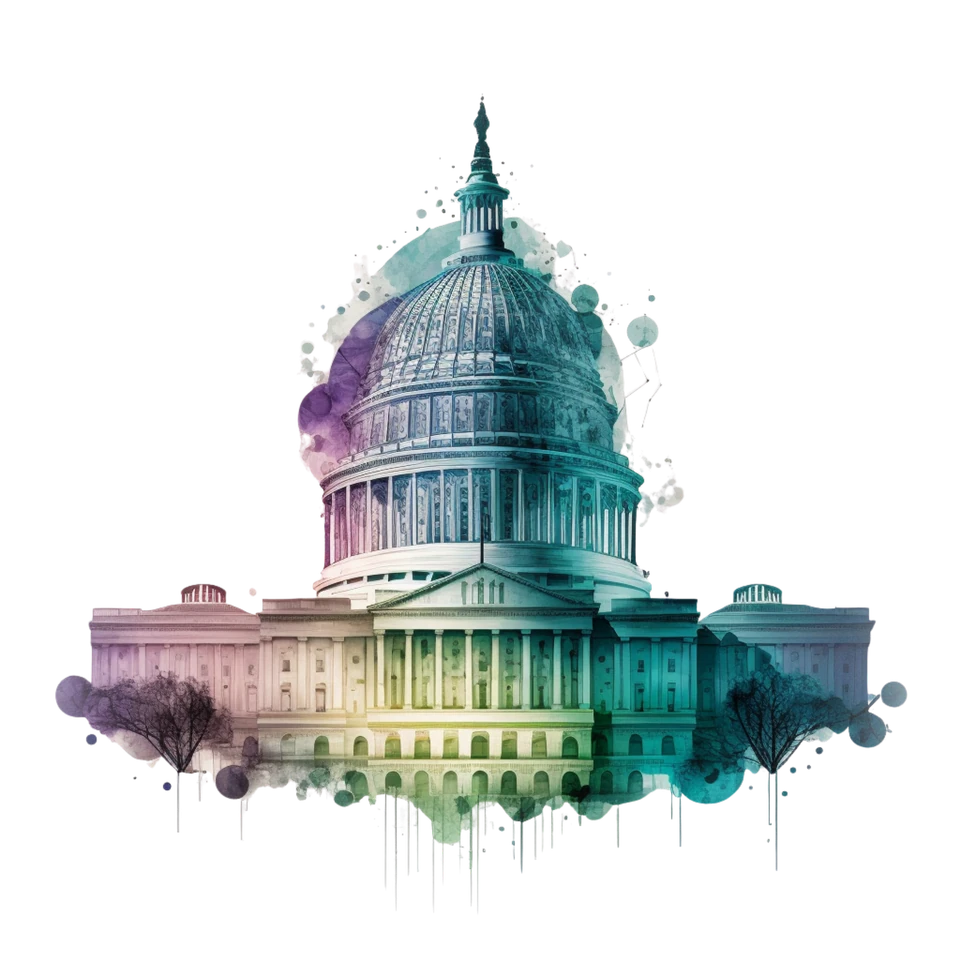
Result & scope
The capstone found a recurring gap between participation channels being formally open and being discoverable and usable by non-experts.
Study failure modes, evaluations, interpretability, and oversight.
Examine how evidence becomes standards and institutional action.
Attempt to find and use public participation pathways.
Design a campus access hub in response to observed barriers.
A developing practice
The chronology separates study, fellowship work, strategy, policy practice, and the overlapping civic-access capstone.
Built foundations in failure modes, evaluations, interpretability, control, and oversight. Curriculum participation is presented as training, not original research.
Shifted from technical failure modes toward the standards, institutions, and participation pathways that act on evidence.
Ran the Civic Access Stress Test through direct engagement, institutional outreach, and barrier logging. The work culminated in a presentation at the Ronald Reagan office near the White House and a proposed Campus Civic Access Hub.
Connected evidence, organizational priorities, and practical pathways for responsible policy engagement.
Continues the trajectory toward accountable deployment, evaluation, reporting, and meaningful non-expert participation.
Civic Access Stress Test
This supplied recording documents the presentation at the Ronald Reagan office near the White House. It is evidence of the capstone’s delivery and discussion; it does not imply a White House presentation or endorsement.
Press play to load the video.
Evidence from the project
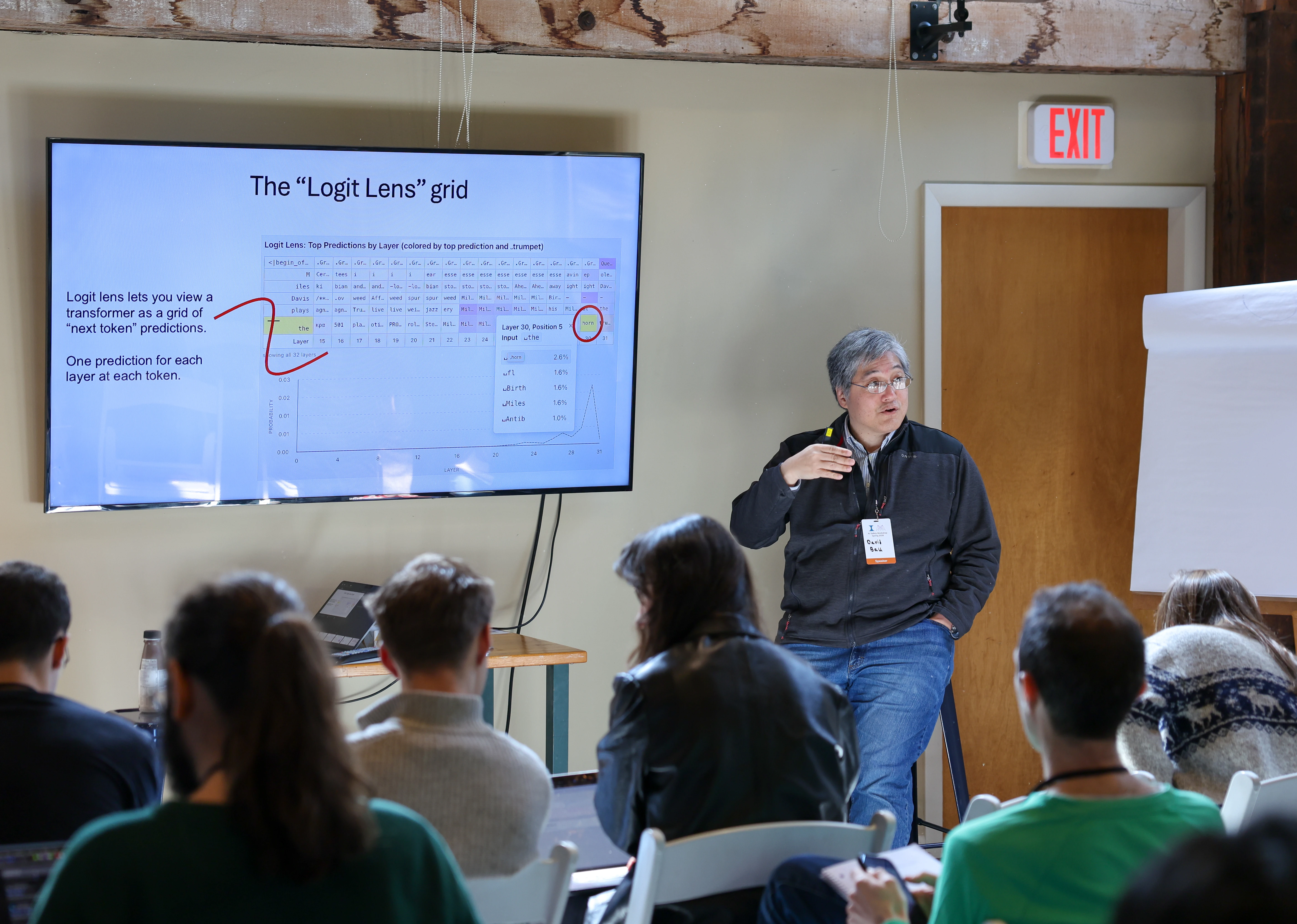
A supplied fellowship-event photograph. Context for study and discussion, not a claim of presenting the displayed research.
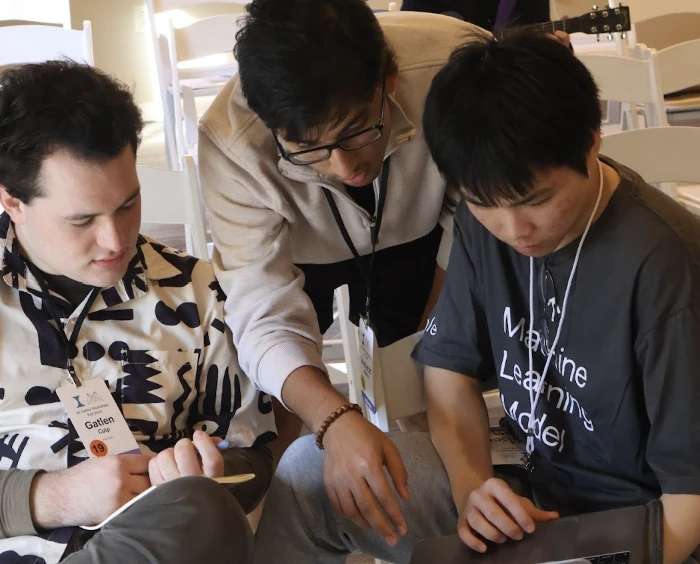
A supplied participation photograph from the policy archive.
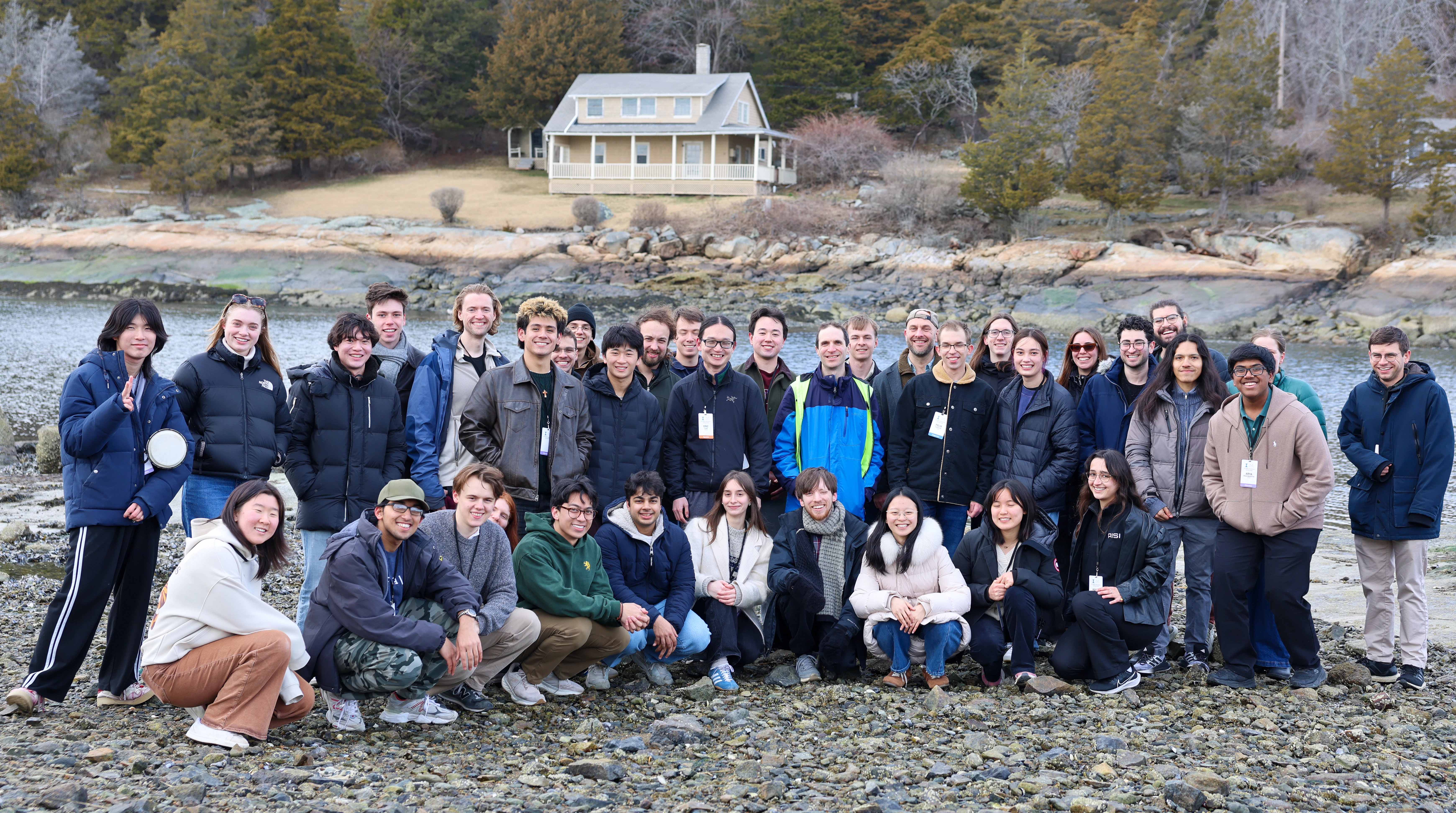
The group setting provides context for the learning trajectory.

A supplied fellowship photograph documenting the working environment and peer exchange.
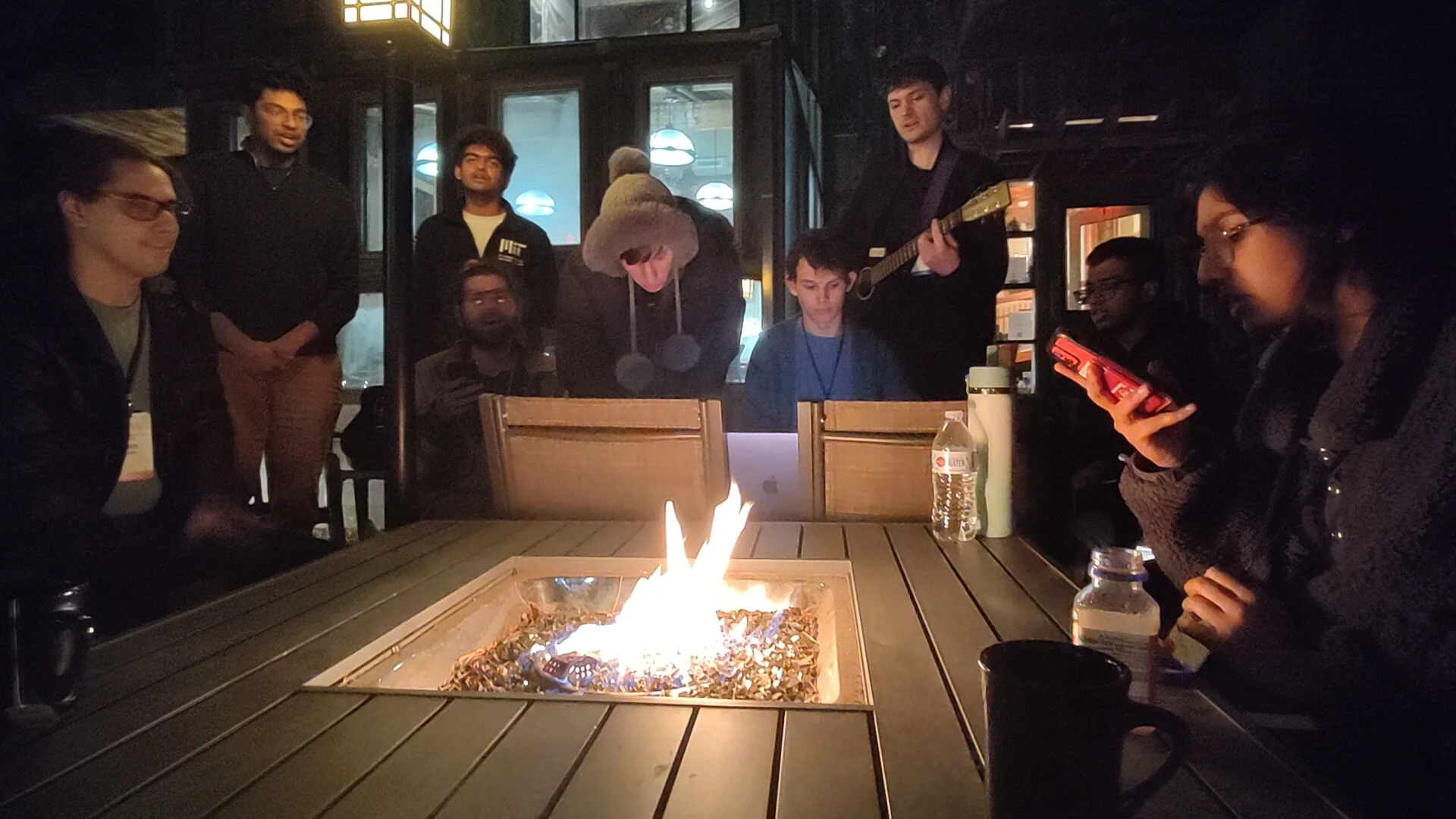
A supplied photograph from the technical AI safety stage of the journey.
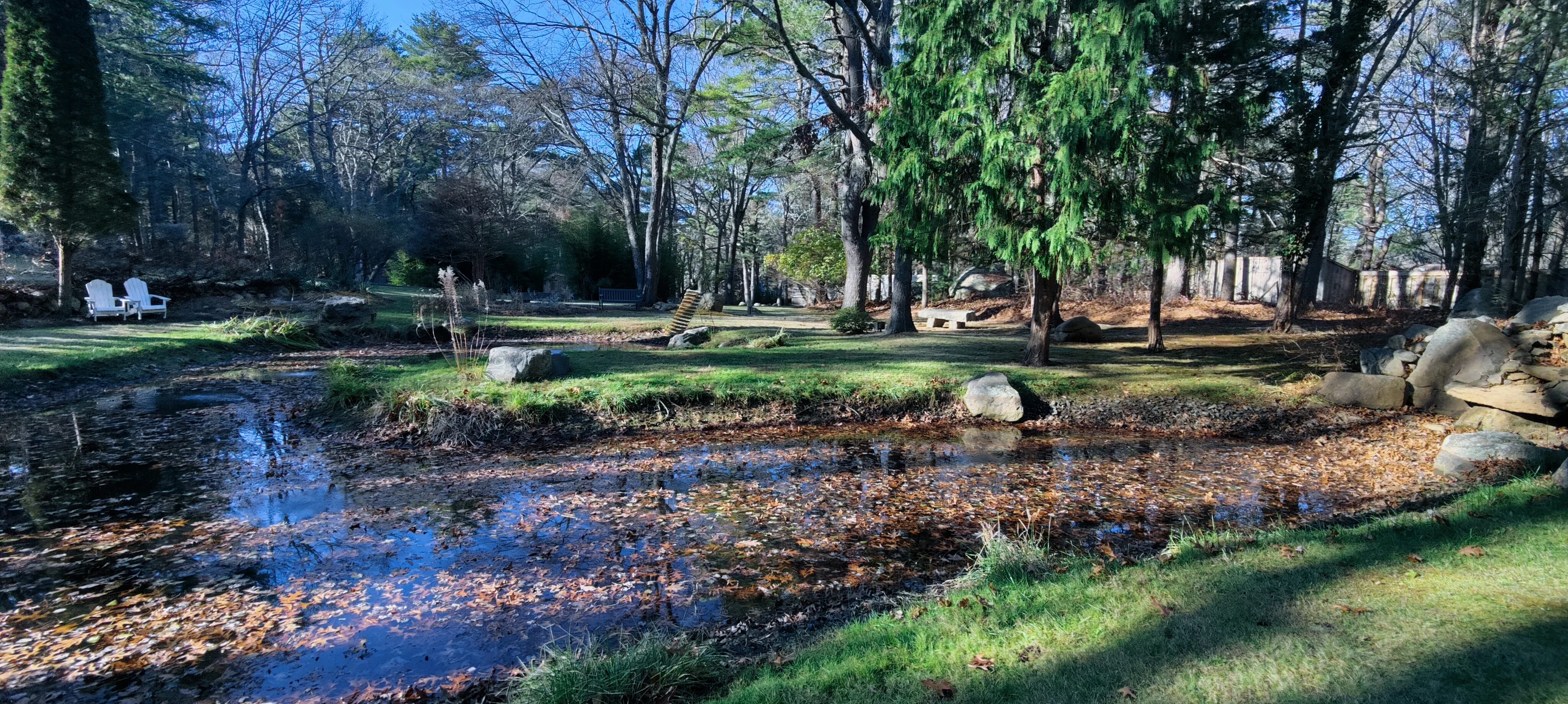
The source archive documents sustained participation alongside the later policy work.
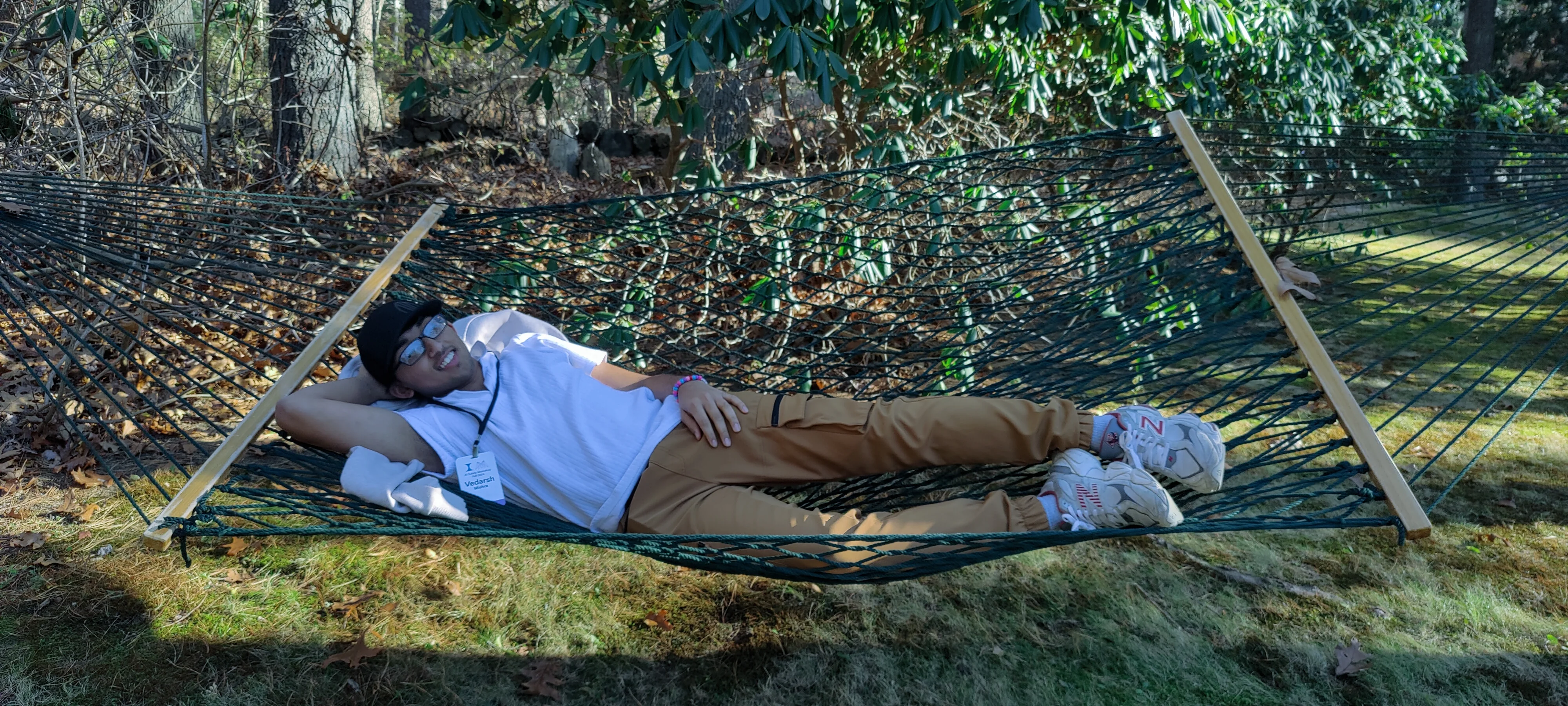
A second supplied view from the 2024 technical-safety period.
My source narrative traces technical AI safety study into policy fellowship learning, AISST strategy and policy work, and the Civic Leaders Fellowship capstone. The technical curriculum covers reward misspecification, goal misgeneralization, interpretability, control, oversight, and evaluations. Participation in a curriculum is not presented here as original research in each topic.
The Civic Access Stress Test capstone brief records how I combined direct engagement with AI and emerging-technology policy events, institutional outreach to identify concrete participation channels, and documentation of barriers encountered. The question was whether students and non-experts could find a path to meaningful participation, not merely whether a formal channel existed.
Informational: opportunities were hard to find outside existing networks. Structural: affiliation requirements and insider-oriented processes narrowed entry. Social: norms made expert spaces difficult to navigate. Logistical: travel, weekday timing, fragmented information, and short windows raised participation costs.
These are qualitative observations from the capstone. The record does not support a representative survey, a prevalence estimate, or a causal claim about all policy institutions.
The January 2026 program-feedback summary describes the proposal as timely and highlights trust, governance, accountability, and non-expert participation. This is feedback on the proposal, not evidence that an intervention improved access.
The proposed Campus Civic Access Hub has three parts: a jargon-free opportunity navigator, a civic-literacy pathway ending in a real participation action, and a feed of policy comment windows and deadlines. The archive does not establish an implemented or evaluated hub.
A technically capable system still needs evaluation, oversight, and institutions able to act on evidence. My current focus is the connection between safety evaluations, reporting, deployment decisions, and public accountability—while keeping uncertainty visible.
Read the source
AI Safety, Governance & Civic Policy Journey; Civic Access Stress Test deck text, reconstructed brief, and January 2026 feedback summary; fellowship curricula. Chronology follows the confirmed source record: Fall 2024 technical safety, Fall 2025 policy fellowship, Spring 2026 strategy, and Fall 2026–present policy work.
Continue exploring.
← Back to Selected Builds